JOURNAL · ZUIU
着物の文様に込められた願いThe wishes within each motif
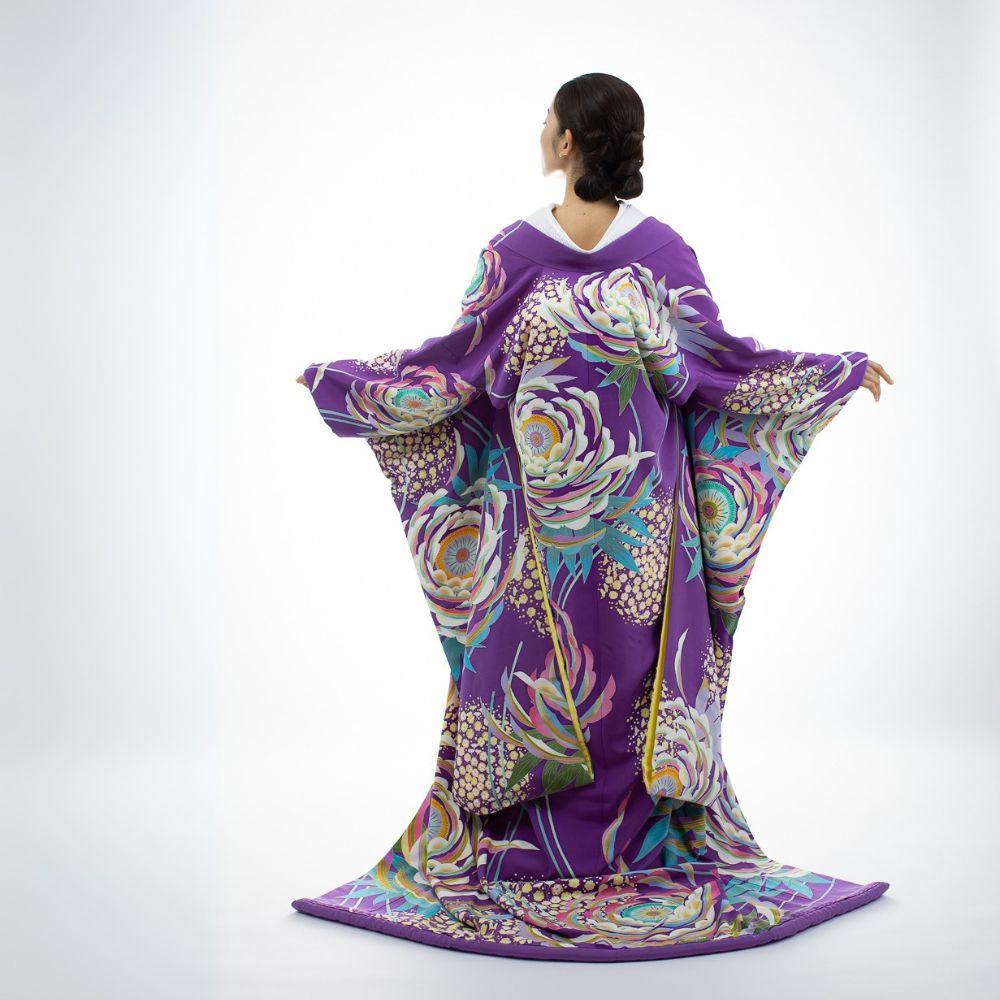
花嫁が身にまとう着物には、見た目の美しさだけでなく、柄一つひとつに深い意味と願いが込められています。
特に婚礼衣裳には、これから新たな人生を歩む花嫁への祈りとして、縁起の良い「吉祥文様」が多く用いられます。
たとえば、牡丹は小さな蕾から大輪の花を咲かせることから「人生の開花」、桜は実を結ばずとも人々に春の訪れと豊かさを感じさせることから「五穀豊穣」、松は冬でも枯れない常緑樹であることから「長寿」や「不変の力強さ」を意味します。梅は寒さの中でいち早く花を咲かせるその姿から「女性の気高さ」や「気品」、鶴は「夫婦円満」や「長寿」の象徴として長く愛されてきました。
The kimono worn by a bride is not only visually beautiful, but each of its patterns carries deep meaning and heartfelt wishes. Bridal kimono in particular often feature auspicious motifs, known as kisso monyō, as prayers for the bride as she begins a new chapter in her life.
For example, the peony, which blooms from a small bud into a large, magnificent flower, symbolizes the blossoming of one’s life. Cherry blossoms, though they do not bear fruit, bring the feeling of spring’s arrival and abundance, representing a bountiful harvest. Pine trees, which stay green even through winter, signify longevity and unwavering strength. Plum blossoms, which bloom early in the cold season, reflect noble character and elegance, particularly associated with women. Cranes have long been cherished as symbols of marital harmony and long life.
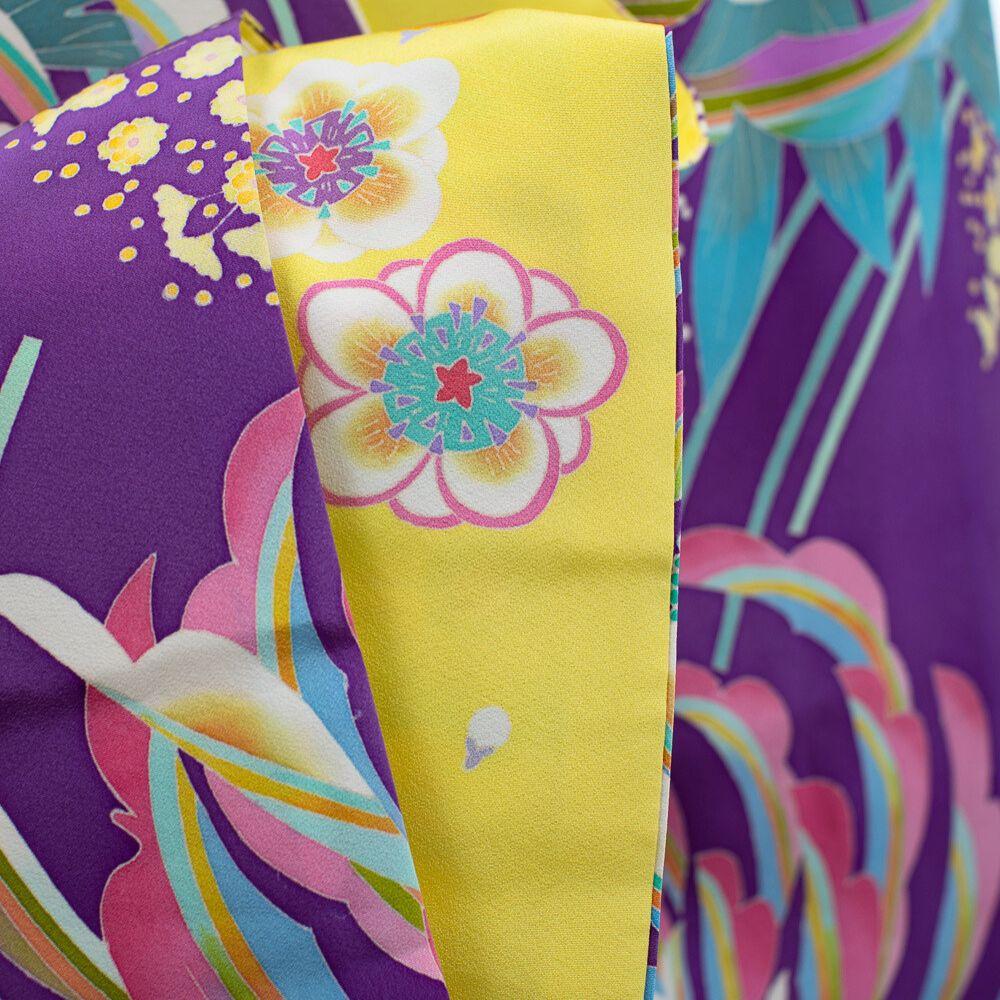
これらの文様はすべて、自然界に存在する植物や動物の特徴をよく観察し、それを人の生き方や願いに重ね合わせたものです。日本人は古来より、自然の中に神が宿ると考え、草木や動物、風や水といった自然の存在に敬意を払って生きてきました。そんな自然に対する感謝や畏敬の念が、着物の柄として表現されているのです。言い換えれば、自然の力を借りて、大切な人の未来を祝福し、守ってほしいという祈りが込められているとも言えます。
だからこそ、花嫁衣裳の文様は、単なる装飾ではなく、文化や心が込められた「願いのかたち」です。
そこには、衣裳を選ぶ人の想いや、贈る人の愛情が重なり合い、一着の着物に多くのストーリーが宿ります。自然と共に暮らし、自然から学び、力を借りながら生きてきた日本人の感性が、今も変わらず花嫁の着物に息づいているのです。
Each of these motifs is based on careful observation of the characteristics of plants and animals in the natural world, and reflects human hopes and ways of living through their symbolic meanings. Since ancient times, the Japanese have believed that the divine resides in nature— in trees, animals, the wind, and the water—and have lived with deep respect for these natural elements. This sense of gratitude and reverence toward nature is beautifully expressed in the patterns of kimono. In other words, these motifs carry prayers—asking nature to bless and protect the future of someone dear. That is why the patterns on a bridal kimono are not merely decorative. They are expressions of heartfelt wishes and culture—prayers woven into form.
Within each kimono lies the heartfelt wishes of the bride who chooses it, and the deep love of those who gift it to her. These emotions intertwine, weaving countless stories into a single garment. The Japanese sensibility—shaped by living alongside nature, learning from it, and drawing strength from its presence—still lives on today in the bridal kimono, just as it has for generations.